Phosphorus Strategy in Aquafeed: Phytase Dose and Mineral Release
Every tonne of plant protein that replaces fish meal brings phytate with it, and phytate holds back phosphorus and minerals the fish or shrimp cannot use. For aquafeed teams the phosphorus question is a cost and water-quality question at once: how much inorganic phosphate to add, how much phosphorus credit to take from phytase, and at what dose the enzyme releases enough phosphorus and minerals to justify it. This page sets out how Enzymesprime works through that phosphorus strategy with mills, with protease alongside for the protein side of the same plant-heavy diets.
We supply aquafeed manufacturers, premix companies and feed-ingredient distributors, and work with their nutritionists, procurement and production teams on enzymes that hold up in extrusion, pelleting, post-coating and plant-scale feed programmes.
Wholesale and bulk supply for manufacturers and resellers, quoted per order. To get a quote, send the product or enzyme type, the quantity and the destination country through the quote form.
Enzyme support for plant-heavy aquafeed formulations
As aquafeed formulations use more soybean meal, rapeseed meal, sunflower meal, pulses, and other plant proteins, nutrition teams must manage bound phosphorus, variable protein digestibility, anti-nutritional factors, and ingredient inconsistency.
Phytase and protease can help mills improve formulation flexibility without losing focus on performance, pellet integrity, or predictable production.
Enzymesprime works with aquafeed mills that need:
- Phytase support for phosphorus release from plant-origin phytate
- Protease support for improved access to dietary protein fractions
- Enzyme options compatible with fish and shrimp feed concepts
- Guidance for mash inclusion, liquid application, or post-process strategies
- Supply documentation suitable for purchasing, QA, and technical review
- Consistent commercial supply for ongoing production, not only trials
Why phytase matters in aquafeed manufacturing
Phytate-bound phosphorus is a formulation constraint in many plant-based aquafeed diets. It can limit phosphorus availability and interact with minerals and proteins, reducing the value captured from plant raw materials.
Enzymesprime phytase solutions are used by mills aiming to:
- Increase nutritional value from plant ingredients
- Support inorganic phosphorus reduction strategies where appropriate
- Improve formulation precision around available phosphorus assumptions
- Reduce nutrient wastage pressure in feed programs
- Build diets with more confidence when plant material levels rise
For nutritionists, the value is not only enzyme inclusion. It is formulation confidence: selecting an enzyme approach that fits the species, diet architecture, process route, and procurement reality.
Why protease matters in aquafeed manufacturing
Protein is one of the largest cost drivers in aquafeed. When mills increase plant protein inclusion, digestibility and amino acid availability become central to ration performance and FCR management.
Enzymesprime protease solutions help aquafeed teams address:
- Variable protein digestibility across plant meals
- Reduced reliance on high-cost marine protein inputs where nutrition allows
- Better access to peptide and amino acid fractions
- Lower undigested protein pressure in intensive feeding systems
- More flexible use of alternative raw materials
Protease selection should be aligned with species, formulation targets, processing conditions, and the raw-material basket. Enzymesprime supports that selection with buyer-friendly technical guidance and supply data.
Formulated for mill reality, not just lab intent
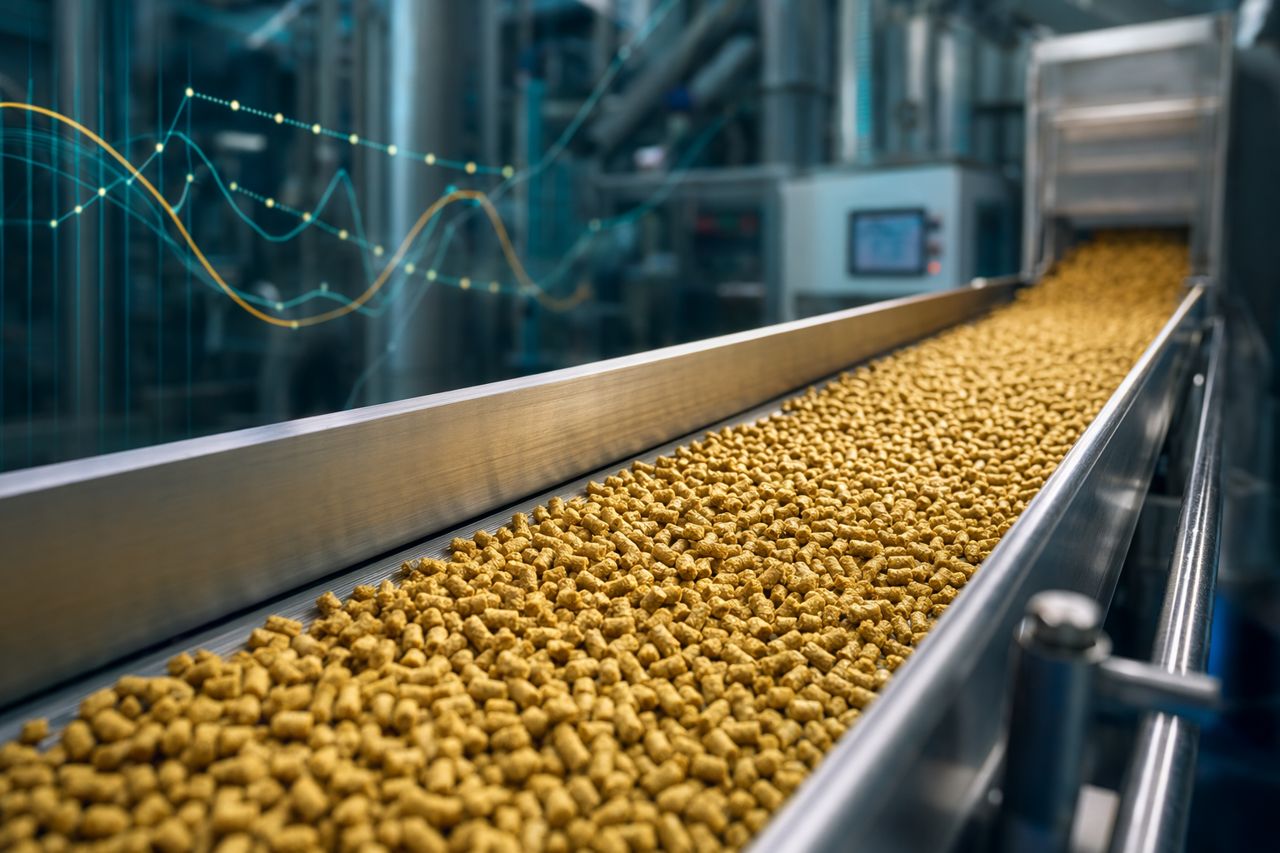
Aquafeed enzymes must fit the production environment. Extrusion heat, moisture, shear, conditioning, drying, coating temperature, and oil application all affect how an enzyme should be selected and introduced.
Enzymesprime can support mills evaluating:
Dry inclusion into premix or mash
A practical route for facilities with established micro-ingredient handling and controlled mixing. Suitable when the selected enzyme format and process exposure are aligned.
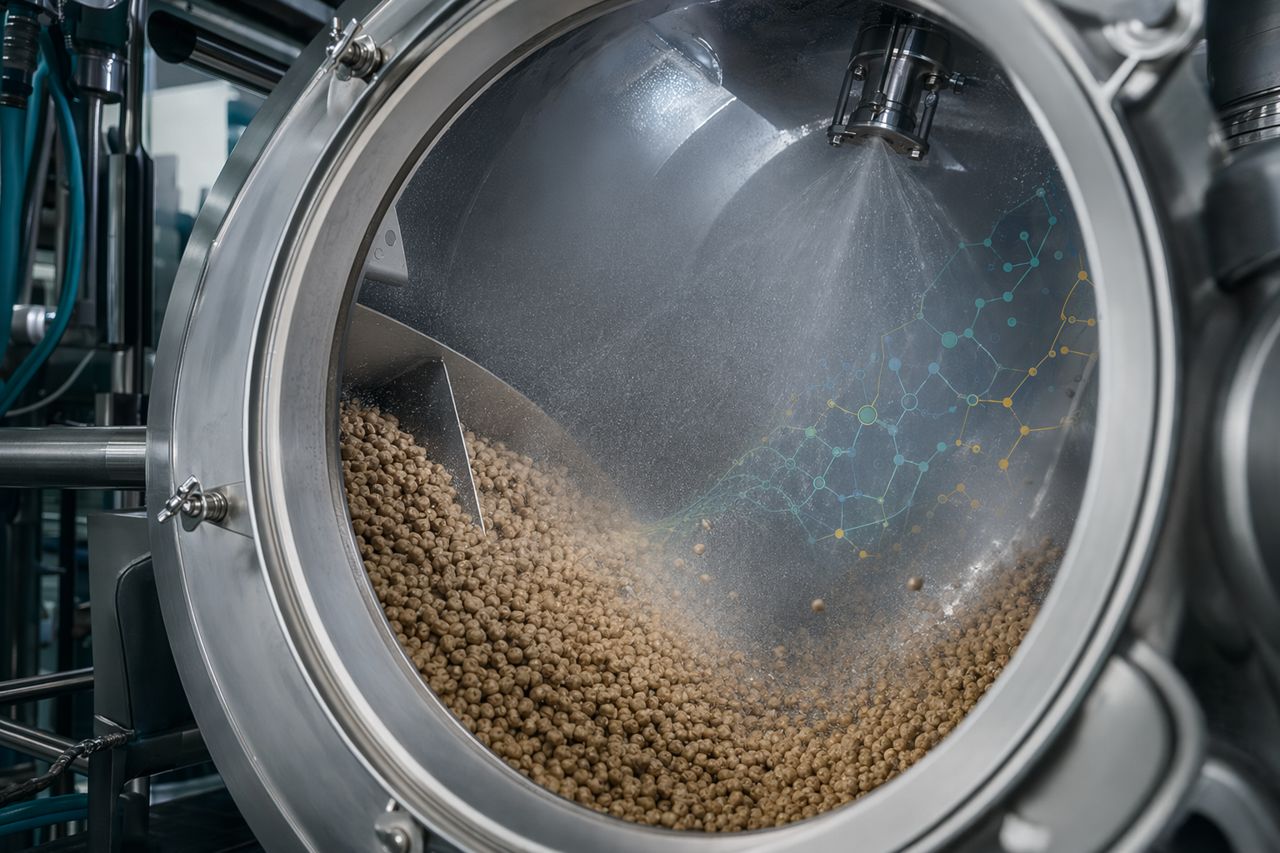
Liquid post-coating or vacuum coating
A strong option for extrusion lines that want to limit heat exposure and apply enzymes with oil or liquid systems after thermal processing.
Trial-to-commercial scale-up
We help teams move from bench or pilot evaluation into plant-scale supply planning, packaging selection, documentation review, and repeat ordering.
Buyer value for aquafeed nutrition and procurement teams
Enzymesprime is built for B2B aquafeed buyers who need technical clarity and supply dependability.
| Buyer need | Enzymesprime support |
|---|---|
| Raw-material flexibility | Enzyme options for plant proteins, phytate management, and digestibility strategy |
| FCR and ration performance focus | Formulation-oriented guidance for phytase and protease use cases |
| Pellet and process compatibility | Support for inclusion route, thermal exposure, coating, and production flow |
| QA and purchasing confidence | Batch traceability, product documentation, and commercial supply planning |
| Supplier responsiveness | Quote support for volume, packaging, lead time, and application context |
Technical selection factors we discuss with your team
Before quoting, Enzymesprime can review the factors that determine the right enzyme format and supply plan:
- Target species, life stage, and feeding system
- Plant protein level and raw-material variability
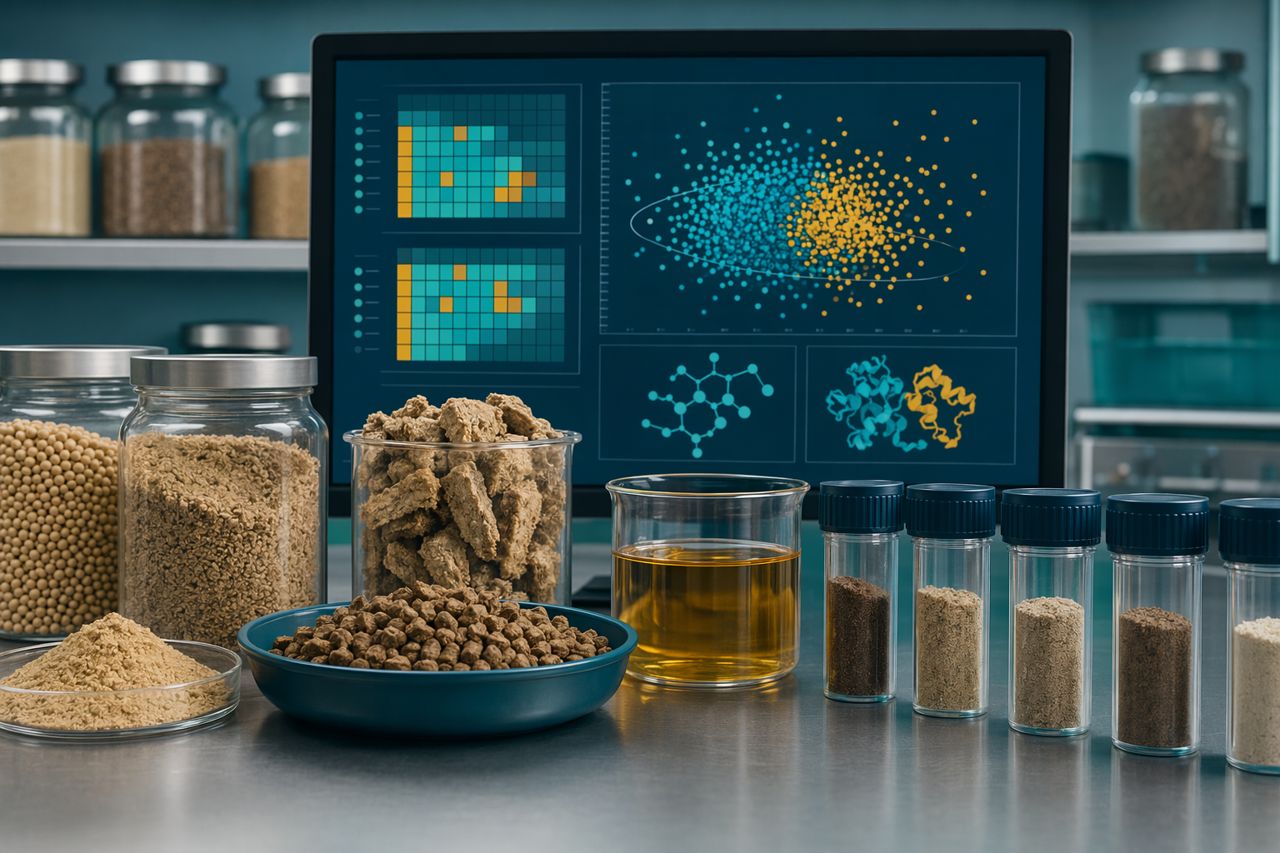
- Phosphorus and protein assumptions in the formulation matrix
- Extrusion, pelleting, drying, and coating conditions
- Desired application route and mixing infrastructure
- Trial size, launch volume, and replenishment schedule
- Documentation, regulatory, and QA requirements for your market
This helps avoid over-simplified enzyme selection and supports practical adoption at mill scale.
Supply formats for aquafeed production
Enzymesprime quotes phytase and protease in formats aligned to your manufacturing route and procurement requirements. Pack size, minimum order and lead time are quoted per order, against destination, application route and volume.
Common supply considerations include:
- Powder or liquid format suitability
- Packaging matched to pilot, trial, or commercial use
- Storage and handling expectations
- Lead time for recurring demand
- Documentation package for technical and purchasing review
- Compatibility discussion for premix, mash, or coating systems
A focused supplier for aquafeed enzyme programs
Enzymesprime serves aquafeed mills that want enzyme supply to be practical, documented, and formulation-relevant. We do not position enzymes as a generic additive. We help buyers connect enzyme selection to feed cost, nutrient release, raw-material strategy, pellet processing, and reliable supply.
If your team is evaluating phytase and protease for plant-heavy aquafeed manufacturing, Enzymesprime can help you specify the right quote package.
Request a quote
Send the product or enzyme type, the quantity per order or per month and the destination country, plus your species focus and application route if you have them. We reply with a quote for wholesale supply to your mill or your customers.